Website Design Services: Everything Small Businesses Need to Build a High-Converting Website
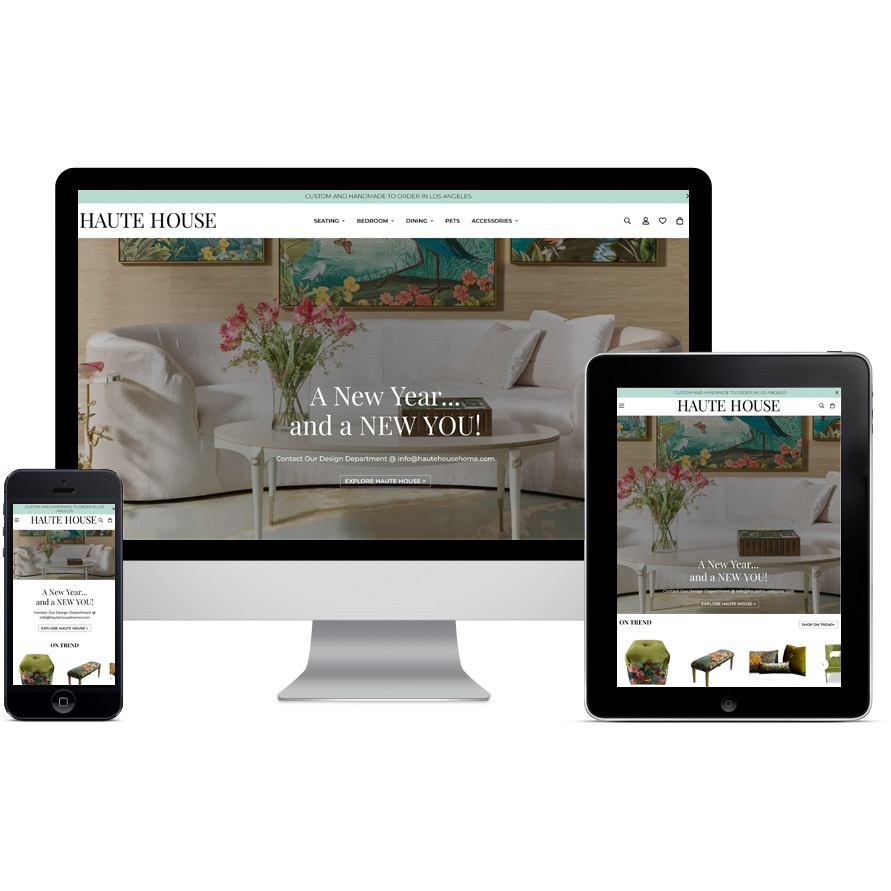
Your website is often a customer’s first impression of your business. If it’s outdated, slow, or hard to navigate, you’re likely losing customers before they even reach out. This guide covers what a high-converting website actually needs and how to get there.
Professional website design services combine strategy, user experience, SEO, and conversion-focused features to build a website that attracts customers and drives real business growth. For small businesses, this means fast loading, mobile-friendly design, clear navigation, and strong calls-to-action that turn visitors into leads.
What You’ll Learn in This Guide
- Why professional website design matters for small businesses
- Essential elements of a high-converting website
- The website design process, step by step
- Custom vs. template websites
- Features every service-based business site needs
- How web design supports long-term growth
- FAQs answered simply
Why Professional Website Design Matters
A great website does more than look nice it builds trust, guides visitors, and drives real results.
1) Builds credibility and trust
Your website is often a customer’s first interaction with your business.
A trust-building website includes:
- Professional branding elements
- Clear service information
- Customer testimonials and reviews
- Consistent visual design
2) Improves user experience and engagement
If visitors can’t find what they need quickly, they leave.
Key UX elements:
- Easy navigation
- Mobile-friendly layouts
- Fast access to key information
- Clear page organization
3) Turns visitors into customers
A great website doesn’t just attract traffic, it converts it.
Conversion-focused features include:
- Clear calls-to-action
- Contact forms
- Service-focused landing pages
- Lead generation opportunities
Essential Elements of a High-Converting Business Website
1) Responsive, mobile-friendly design
More customers browse on their phones than ever before.
A mobile-friendly site provides:
- Better browsing across devices
- Improved accessibility
- Consistent branding
- Easier customer interactions
2) Clear structure and navigation
Confusing layouts push visitors away before they explore your services.
A strong structure includes:
- Organized service pages
- Logical menus
- Easy-to-find contact info
- Clear page hierarchy
3) Compelling content and strong CTAs
Good design isn’t enough without messaging that connects.
Effective content includes:
- Service-focused messaging
- Clear value statements
- Contact opportunities
- Strong calls-to-action
4) SEO-friendly foundation
A beautiful site is only useful if people can find it.
An SEO-friendly website includes:
- Optimized page structure
- Search-friendly content
- Fast loading speed
- Proper metadata
The Website Design Process: From Planning to Launch
1) Understand business goals and audience
Every good website starts with defining what it needs to achieve.
This stage covers:
- Business objectives
- Customer needs
- Target audience
- Conversion goals
2) Strategy and planning
This creates the roadmap before any design work begins.
Website planning includes:
- Sitemap creation
- Page structure
- Content planning
- User journey mapping
3) Design, development, and testing
Ideas become a working website here.
This stage includes:
- Visual design concepts
- Website functionality development
- User experience testing
- Cross-device performance checks
Testing catches issues before launch leading to a smoother visitor experience and better conversions.
4) Launch and ongoing optimization
Launch isn’t the finish line. Websites need continuous care to stay effective.
Ongoing improvements include:
- Performance monitoring
- Content updates
- UX improvements
- Technical maintenance
Custom Website Design vs. Templates
| Feature | Template-Based | Custom Design |
|---|---|---|
| Speed to launch | Faster | Takes longer |
| Branding control | Limited | Full control |
| Flexibility | Limited | High |
| Scalability | Limited | Built to grow with you |
| Best for | Quick starts, tight budgets | Long-term growth |
Bottom line: Templates work as a starting point, but custom design gives you more control and room to grow.
Choosing Design Based on Your Industry
Different industries need different features and messaging.
For example:
- A service business often needs detailed service pages, testimonials, and lead forms
- A professional/consulting business may focus more on credibility and expertise
Industry-focused design considers:
- Customer expectations
- Business objectives
- Competitive landscape
- How services are presented
Must-Have Features for Service-Based Business Websites
Service businesses rely on their website to educate customers and generate inquiries.
Key features to include
- Detailed service pages
- Customer testimonials
- Easy contact options
- Portfolio or case studies
- Lead capture forms
These elements help visitors understand your expertise and take the next step.
How Professional Web Design Supports Long-Term Growth
Improves search visibility
Good design and SEO work together.
Search-focused design includes:
- Optimized website structure
- Better user engagement
- Search-friendly content
- Technical performance improvements
Supports marketing campaigns
Your website is where marketing traffic lands and where it should convert.
Marketing support features include:
- Dedicated landing pages
- Ad campaign support
- Content marketing integration
- Conversion tracking
Creates a scalable foundation
Your business will grow. Your website should be able to grow with it.
A scalable website supports:
- Future content updates
- New service additions
- Improved functionality
- Business expansion
Conclusion
A professionally designed website is one of the most valuable investments a small business can make. The right approach combines strategy, design, user experience, SEO services, and conversion features into a website that generates leads and builds credibility.
Marc F Design builds customized website solutions around your business goals, customer needs, and future growth.
Ready to Get Started?
Contact us today to learn more about Marc F Design’s Website Design Services and discover how a customized website can help your business attract more customers and grow online.
Frequently Asked Questions
1. What are website design services?
The complete process of planning, designing, developing, and optimizing a website built to improve user experience, represent your brand, and support business goals.
2. Why does my small business need professional website design?
It builds credibility, improves customer experience, and increases conversions giving customers a strong first impression and clear reasons to choose you.
3. What features should a business website include?
- Responsive design
- Clear navigation
- Service information
- Strong calls-to-action
- Contact options
- Testimonials
- SEO-friendly structure
4. How long does it take to design a business website?
Typically several weeks to a few months, depending on size, features, and content preparation.
5. What makes a website design effective for service businesses?
Clear service explanations, trust-building elements (testimonials, case studies), and easy ways for customers to get in touch and take action.
6. Should I redesign my existing website or build a new one?
If your site has a strong foundation but needs better visuals or performance, a redesign works. If it’s outdated or hard to manage, a new build is usually the better path.